Switcher CEO Marc Joss discloses T-shirt pricing
Posted by on January 24, 2026Blick, January 18, 2026 – Milena Kälin
The accusation: Swiss manufacturers produce their goods cheaply in Asia and earn a tidy profit. The problem: consumers often confuse margin with profit. Switcher CEO Marc Joss sets the record straight – and reveals how much he earns from a T-shirt.
Shoes for 12 francs or a T-shirt for 3 francs: many Swiss people regularly order from Asian online shops such as Temu and Shein with their ultra-cheap prices. By 2024, these shops had already generated almost a billion francs in sales in Switzerland – and sales are likely to have risen further in 2025.
Many consumers agree: buying from Temu is worthwhile. After all, Swiss manufacturers also have their goods produced cheaply in Asia and earn a fortune from it. Switcher CEO Marc Joss (49) now wants to put an end to this "misunderstanding" once and for all.
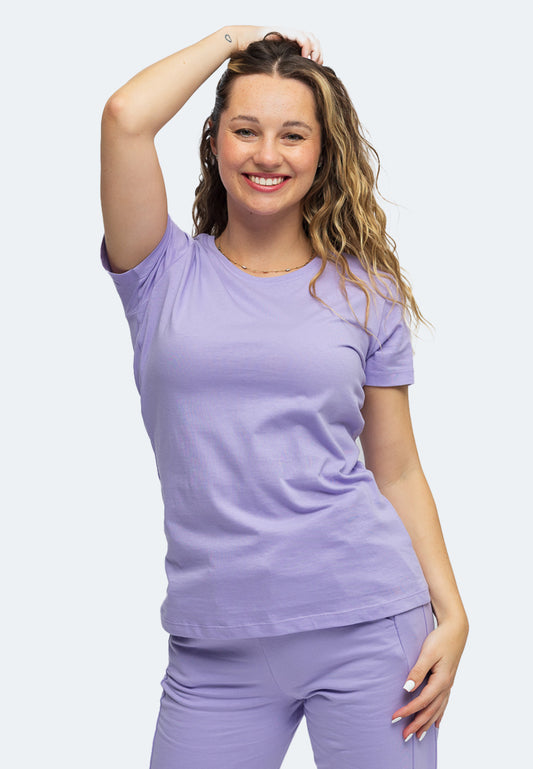
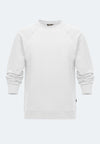
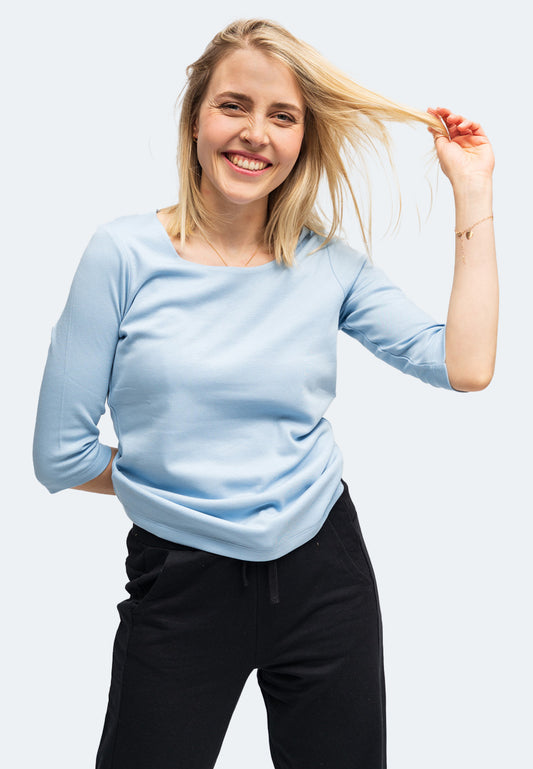
"Many people confuse margin with profit," says Joss in an interview with Blick. Switcher has T-shirts with a retail price of 21 Swiss francs sustainably produced in India for between 4.50 and 5.50 Swiss francs, depending on the color. But the remaining money has to cover a whole host of other costs. "A large part of the retail price does not go toward profit, but toward logistics, rent, personnel, marketing, returns, and taxes," Joss calculates. "In the end, the net profit per T-shirt is between 1.50 and 3.00 Swiss francs." This money then goes toward the development of new collections and serves as a financial reserve.

Switcher generates around 40 percent of its sales with business customers: since they order workwear and club clothing in larger quantities, the sales price is significantly lower at around 8 Swiss francs. Despite lower marketing costs, Switcher only achieves minimal margins with business customers. It is only thanks to its online and retail business with customers that the numbers add up.
 Small quantities for little Switzerland
Swiss retailers such as Switcher are at a disadvantage compared to large manufacturers in Asia or North America. They produce much smaller quantities, which means that material prices, production costs, and logistics are higher per item for Swiss manufacturers. "For brands like Switcher, this means less leeway in purchasing prices, but more flexibility, better control, and less overproduction," Joss continues.
The managing director fully understands that individuals and families on a tighter budget are turning to such platforms. However, he also sees the danger in this: "If more and more people are shopping directly on foreign platforms, added value, jobs, and tax revenues will flow abroad. This weakens Switzerland as a business location." The long-term effects of this consumer behavior should therefore not be forgotten.
In the future, Switcher therefore wants to offer more brick-and-mortar retail space again in addition to online sales. In December, Joss opened its first store in Winterthur, Zurich,with nine more to follow.
To stem the flood of parcels, Joss is not calling for isolationism, but rather for competition on equal terms: "Anyone who wants to sell in Switzerland or Europe should abide by the same rules—in terms of VAT, customs, product safety, and environmental standards." He therefore believes that politicians have a responsibility to act.
24 motions pending
According to the Swiss Retail Federation, there are currently 24 political initiatives pending that deal with issues such as product safety on foreign platforms. Director Dagmar Jenni (57) is now doing everything in her power to ensure that these are "finally" dealt with in the spring session: "The fight for a level playing field for all market participants, particularly in relation to foreign online marketplaces, remains a very high priority for the Swiss retail sector."
Bernhard Egger (57), managing director of the Swiss Trade Association, also continues to fight for a level playing field. He wonders why foreign platforms can import goods containing toxic substances into Switzerland without consequences. Or why these platforms do not have to pay recycling fees for electronic devices like Swiss retailers do. The Federal Council has recognized the problem, but refers to the personal responsibility of consumers. "That's not an option for us," says Egger. It remains to be seen whether politicians will take action in the spring.